Ordinal numbers explained for parents (Australia)
Homework says who is first? or circle the 3rd and your child points at three objects instead of the third place in a line - or races to write "3" when the worksheet wants 3rd. Schools talk about first, second, third, and position long before the -st/-nd/-rd/-th endings feel automatic. Same idea: ordinals name where something sits in an ordered line, not how many there are. This guide unpacks ordinal numbers for Australian parents - position versus quantity, concrete line-ups and races, spoken language before written endings, Prep–Year 2 mix-ups, and short home games.
It is a position-in-a-line page, not a comparing-amounts page. Deciding more / less / the same sits in comparing numbers. Trustworthy "how many?" sits in counting three skills and subitising. Digits and tens sit in place value. Year maps: Prep–Year 2 maths.
The big idea: position, not how many
Ordinal numbers name a place in an ordered sequence:
- 1st - first
- 2nd - second
- 3rd - third
- 4th - fourth
- … and so on (5th, 6th, … 10th, 21st, 22nd, 23rd, …)
Cardinal numbers answer how many? - three apples, seven counters, twelve kids in the race.
Example: five children in a line at the door.
- Cardinal: there are five children (how many).
- Ordinal: Maya is first, Tom is second, Sam is third (position).
Same five children. Different question. If your child hears "third" and holds up three fingers, they are answering the cardinal question when the teacher asked the ordinal one. That mix-up is the heart of early ordinal confusion.
Say it aloud: "Where in the line - first, second, third?" That sentence is the heart of ordinals. The written endings (-st, -nd, -rd, -th) are only a later shorthand for the same position words.
Australian Curriculum Mathematics (version 9) builds number, location and ordering language across Foundation to Year 2 (Foundation–Year 2). Classroom labels vary (ordinal, position, first/second/third, order); echo your child's teacher.
Concrete first: line-ups and races
Door line. Line up toys (or siblings, or pegs) facing the same way. Point: "Who is first? Who is last? Who is third from the front?" Move one toy and ask again - position changes when the order changes, even if the count stays five.
Toy race. Roll cars or push animals across the floor. Name 1st, 2nd, 3rd as they finish - celebrate the place words, not only who "won".
Calendar and stairs. "Today is the third of the month." "We are on the second floor." Everyday ordinals without a worksheet.
Picture strip. Draw five boxes in a row. Child colours the fourth box red. Check they did not colour four boxes (cardinal trap).
Keep sessions under ten minutes. Celebrate the sentence ("Sam is third because two people are in front"), not only the label or the written form.
Underneath: trustworthy counting so children can point along a line without skipping, and subitising for small groups when you ask how many are ahead of third place.
Language before symbols: first, second, third…
Many Australian classrooms teach the spoken words first:
- first, second, third, fourth, fifth…
- then link to 1st, 2nd, 3rd, 4th, 5th…
Useful patterns (once the meaning is clear):
- Most ordinals use -th (fourth, sixth, tenth, eleventh…).
- 1 → 1st, 2 → 2nd, 3 → 3rd (and 21st, 22nd, 23rd, 31st…).
- Watch teens: 11th, 12th, 13th (not 11st / 12nd / 13rd).
A common tip: write the cardinal, then add the ending (3 → 3rd). Use it as a memory hook, not as the first explanation. Children who only memorise endings often cannot explain why Sam is third when the line is rearranged.
Practice saying full sentences: "The blue car finished second." Then write 2nd. Same idea, two jackets.
Not the same as comparing or "how many?"
Parents often hear "which is bigger?" and "who is first?" in the same week and wonder if they are the same skill.
- Ordinals ask: where in an ordered line? (first / second / third…)
- Comparing numbers asks: which amount is more / less / the same? (or later: write < > =)
- Cardinals / counting ask: how many are there?
Shared early-number language; different jobs. Comparing cares about size of amounts. Ordinals care about order. A child can know that 7 is more than 5 and still point to the wrong place when asked for the fifth peg in a row.
Pairs that make ten sit in number bonds - related early number sense, not position.
Year by year: where ordinals show up
Prep - after children can count a small set and say how many (Prep maths, three counting skills), many classes name first / second / third (and often last) in lines, races, and stories. Written 1st / 2nd / 3rd may be light or absent. Ordering objects left-to-right or front-to-back often begins here.
Year 1 - firmer use of ordinal language for positions in lines and sequences; written forms (1st–10th and beyond) appear on worksheets; linking position to "how many before / after" (Year 1 maths).
Year 2 - longer sequences, calendar ordinals (dates), and clearer distinction from cardinals on mixed worksheets; ordering and position language alongside place value and comparing (Year 2 maths).
If wobbles sit inside a broader worry, see Is my child behind in maths?, maths anxiety, and homework without tears.
Common mix-ups (and kinder fixes)
Hearing "third" and showing three fingers (or circling three objects). Fix: rebuild a line. Ask "how many in front of third?" (two). Count places while pointing: first, second, third. Separate the how many question from the where question.
Thinking "first" always means "best" or "winner" only. Fix: use calm contexts - first in the lunch line, first page of a book, first step on the stairs - so ordinals are not only race trophies.
Confusing left-to-right with front-to-back. Fix: agree the facing direction ("we are looking from the door"). Point together before labelling.
Writing 3 when the answer is 3rd. Fix: ban bare digits for a week on position tasks. Insist on the word or the ending. Reintroduce 1st / 2nd / 3rd as shorthand for the spoken place.
Mixing ordinals with comparing ("third is bigger than first"). Positions are not amounts. The third child is not "three-er" than the first. Keep comparing for pile size; keep ordinals for place in line.
Racing to written endings before the line story is steady. If "third" still means "three things", stay concrete. Then offer 3rd as a label for the same place, not a new idea.
Home games that do not feel like worksheets
Peg parade. Five pegs in a row. Call a place ("fourth"). Child points or tags it. Swap roles.
Story reorder. Three picture cards: beginning, middle, end - or first, second, third event. Child lines them up and names each place.
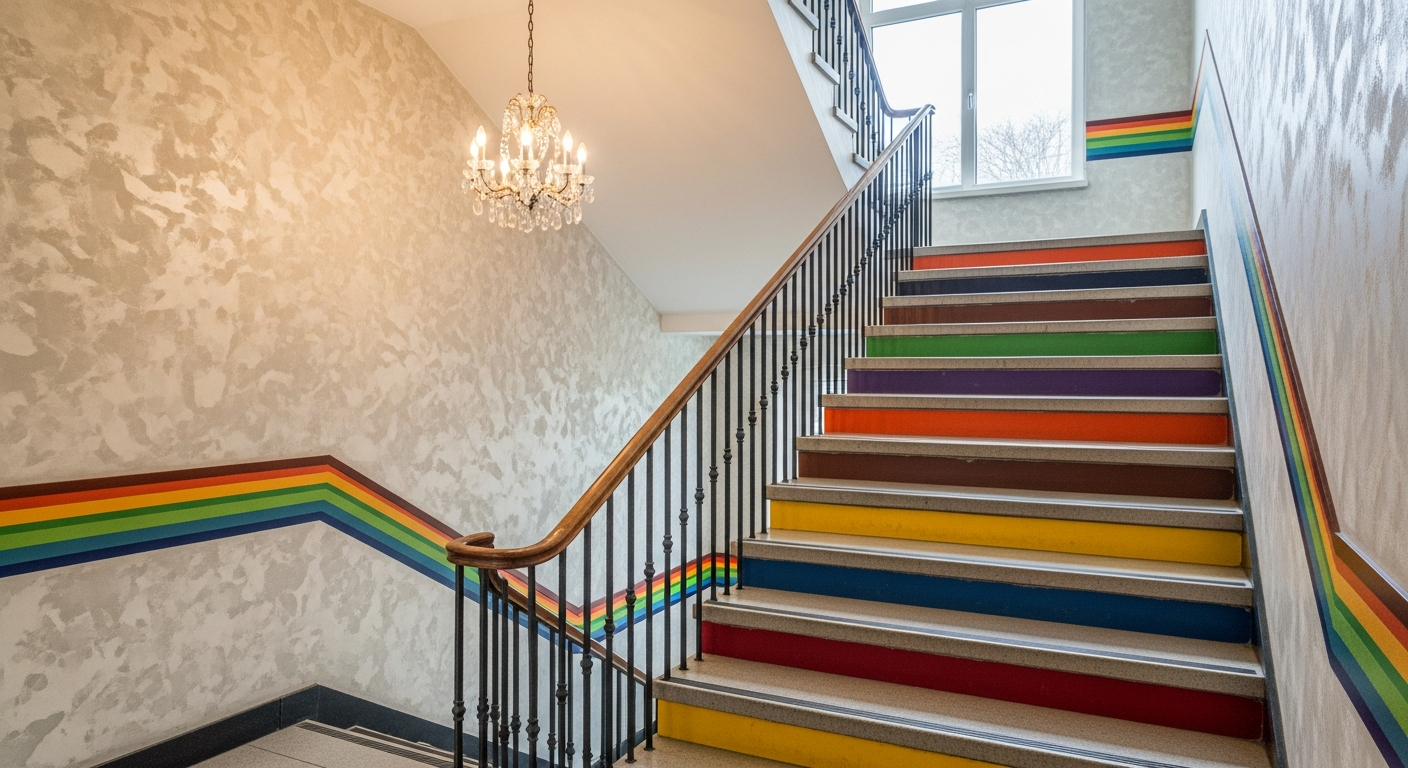
Stairs count. Walk stairs naming first step, second step… Stop on a called place.
Calendar hunt. Find today's date and say it as an ordinal ("the seventh"). Find a birthday date the same way.
Race commentary. Soft toy race; child announces 1st, 2nd, 3rd as finishers cross a tape line.
Keep each game under ten minutes. Stop while it is still friendly.
A simple weekly home routine
If nights fray, shorten further - see homework without tears.
How this links to other guides
- Two minutes of line language - five toys; name first, middle-ish, last; move one and rename.
- Five minutes of one game - peg parade, stairs, or race commentary.
- Three minutes of a written link - for ready children, match 1st / 2nd / 3rd cards to places in a drawn line - see also counting three skills if pointing along the line skips.
- Counting three skills explained - trustworthy one-to-one pointing under position language
- Comparing numbers explained for parents - more/less/same; different job from first/second/third
- Subitising explained for parents - seeing small groups (e.g. how many ahead of third)
- Place value explained for parents - tens and ones for later number work; soft reciprocal
- Number bonds explained for parents - pairs that make a target; related early number sense
- Prep–Year 2 maths - year maps where ordinals sit
- Maths Help hub - more parent guides
Ask the teacher: "Do you introduce ordinals with line-ups and spoken first/second/third first, or with written 1st/2nd/3rd early - and how do you separate them from counting how many?" Matching language reduces crossed wires.
FAQ
Is "third" the same as "three"?
No. Three is how many (cardinal). Third is the place in an ordered line (ordinal). Same root idea of "three-ness", different question.
Should we teach 1st / 2nd / 3rd before the words?
Usually not. Words first (first, second, third), then written endings as shorthand. Ending rules (including 11th–13th) come after the meaning is clear.
How is this different from comparing numbers?
Comparing asks which amount is more or less. Ordinals ask where something sits in a line. Link gently to comparing numbers when worksheets mix both ideas.
Do we need special materials?
No. Toys, pegs, stairs, a calendar, or a strip of paper boxes are enough.
A calm next step
When "first, second, third" feels settled and you want a wider number-skill snapshot at home, Ziado's free check is a one-off, roughly 10-minute adaptive diagnostic with partial results only - no account and no card. The full placement unlocks after signup. It is not NAPLAN practice and it is not the full product; Ziado's ongoing path is adaptive maths (Foundation–Year 6) plus phonics reading (Foundation–Year 4). Explore Ziado maths if you want practice that can meet early number skills at the right step. Individual and Family plans, if you continue later, start with a 14-day free trial of the full app — see pricing for current plans.
First/second/third is order in a line; beside/between/left/right is position and location for parents.
Curious where ordinals sit for your child?
Ziado's free check is a one-off, roughly 10-minute adaptive diagnostic with partial results only - no account, no card. The full placement unlocks after signup.
Start the free maths check