Times Tables Without Tears: A Parent's Honest Guide
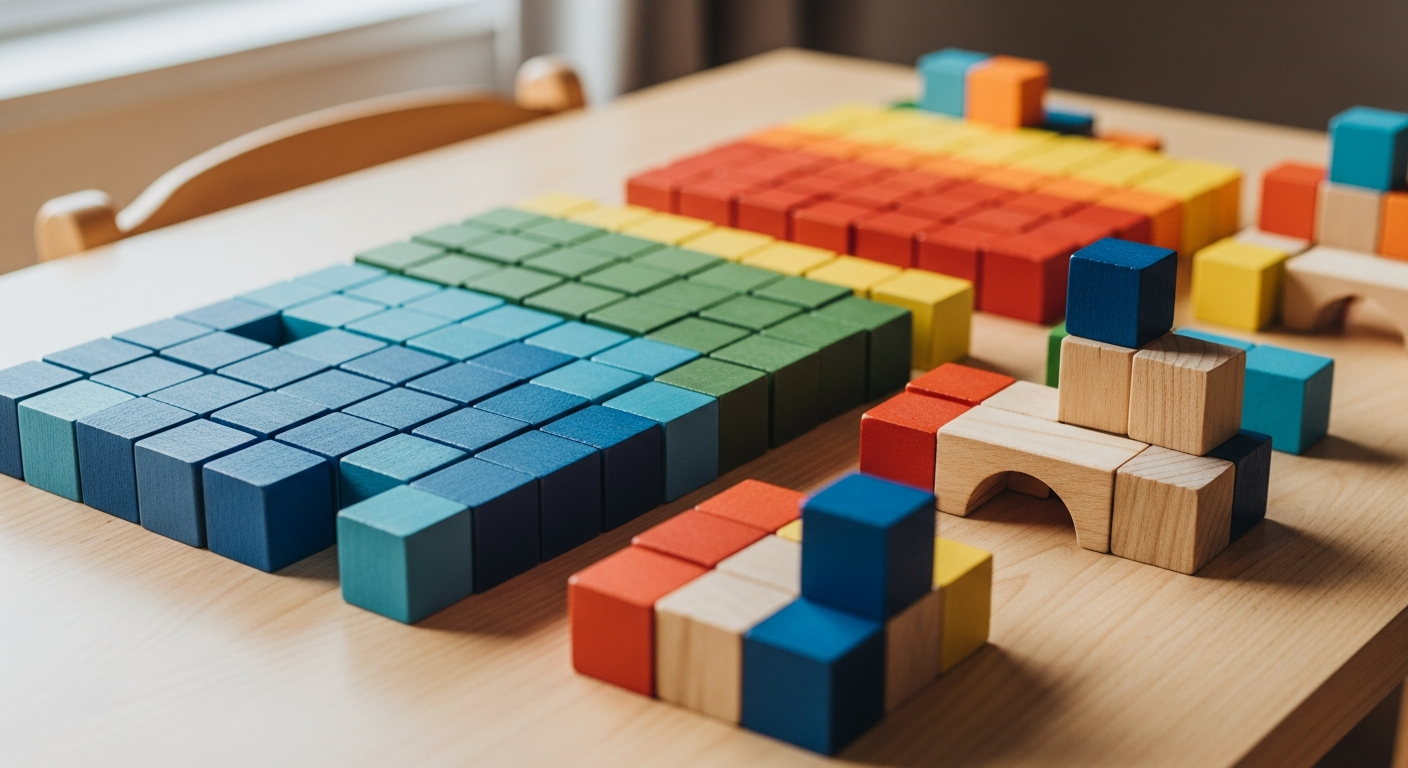
Somewhere around Year 3 or 4, times tables arrive - and with them, for many households, the nightly flashcard standoff. If "what's 7 × 8?" is currently a source of tears at your kitchen table, this guide is for you.
The uncomfortable truth about rote-first
Chanting tables works for some kids. But for many, memorising 144 disconnected facts is like memorising 144 phone numbers: slow, fragile, and terrifying under pressure. The children who seem to "just know" their tables usually aren't better memorisers - they've quietly understood the structure, so they have far less to memorise.
Understanding first, fluency second. That's also the order the Australian Curriculum takes: arrays and equal groups in Level 2, multiplication facts built through Levels 3 and 4.
The order that actually works
Don't march through 2s, 3s, 4s, 5s in sequence. Go in order of leverage:
- 2s, 5s and 10s - skip counting your child already half-knows.
- 4s as "double the 2s" - 4 × 7 is just 2 × 7, doubled. One trick, ten facts.
- 9s off the 10s - 9 × 6 is 10 × 6 minus 6. This also plants the seed of the distributive law without ever saying the words.
- Squares (3 × 3, 6 × 6...) - kids find these memorable, and they become anchor points.
- The stubborn leftovers. Once you use turnarounds (7 × 8 = 8 × 7), only a handful of genuinely new facts remain - 6 × 7, 6 × 8, 7 × 8 and friends. That's where flashcard-style practice belongs: on six facts, not 144.
Three low-drama things to do at home
- Hunt for arrays. Egg cartons, muffin trays, window panes, chocolate blocks. "How many? How did you count them?" A child who sees 3 rows of 6 without counting one-by-one is doing real multiplication.
- Play "how do you know?" When they answer 6 × 7, ask how they got it. "I did 6 × 6 and added 6" is a child building a network of facts. Naming strategies out loud makes them stick.
- Keep sessions to five minutes. Fact fluency is built by frequency, not duration. Five minutes daily beats forty minutes on Sunday - and it ends before frustration starts.
Warning sign: if tables won't stick at all
If multiplication simply will not land, the problem is often one floor down: shaky addition facts, or a fragile grasp of place value. No amount of times-table drilling fixes a foundation problem - you have to find the actual gap and rebuild from there.
See which facts are solid - and which are propped up on fingers
Ziado's free maths check maps your child's real skills in about 10 minutes, then builds short daily quests that practise exactly the right facts - concrete first, with arrays and pictures before bare numbers.
Start the free maths checkAnd retire the kitchen-table interrogation. When practice is short, pitched at the right level, and ends with a win, most children stop dreading tables within a few weeks - and some, whisper it, start asking to play.