Mood explained for parents (Australia)
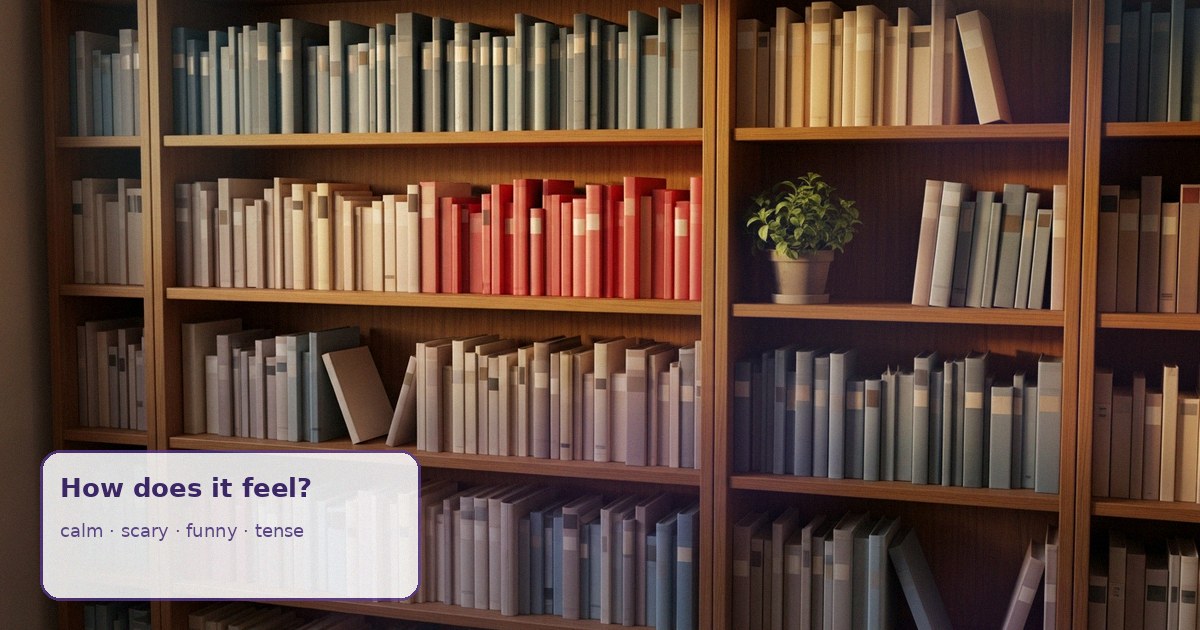
Mood in a story is the feeling a text creates for the reader — how the page makes you feel: calm, scary, funny, tense, cosy, lonely. After a stormy night forest page, a child might whisper “Scary — I feel a bit jumpy.” After a sunny picnic chapter, “Happy and calm.” After a slapstick chase, “Funny — I want to laugh.” The teach-through is oral first: “How does this make you feel?” (or “What’s the feeling of this part?”) before a mood-word worksheet. Australian Prep–Year 6 classrooms practise it from picture-book “feel” talk through denser fiction; it usually deepens in Years 3–6 as children notice that setting, word choice, and figurative language feed mood — without a tone essay, a feelings curriculum, or NAPLAN coaching.
That is a different job from tone (the author’s attitude toward the topic or characters — soft-link only for now if a tone page isn’t live yet: mood is how you feel reading it; tone is how the writer seems to feel). It is also not a setting deep dive (where and when), not a figurative language deep dive (non-literal paint-a-picture wording), not theme (big idea / message), not character traits (what a character is like), not genre (what kind of text), not story structure, not conflict, not dialogue, not point of view, not author’s purpose, and not persuasion. Fluency (reading fluency, robot reading) frees attention for noticing how a page feels; it is not mood teach-through itself. This page is not the full comprehension strategies at home umbrella — it owns mood teach-through, Prep–Year 6 (link phonics when sounding out is the blocker). Not therapy or a feelings curriculum — reading for story mood only.
Mood vs tone vs setting vs figurative language
Mixing these labels causes homework friction. Keep tools clear:
| Idea | What it is | Example |
|---|---|---|
| Mood | The feeling the text creates for the reader; oral How does this make you feel? | “Scary — I feel jumpy” |
| Tone | The author’s attitude (how the writer seems to feel) — soft-link only if that page isn’t live | “The writer sounds cheeky / serious” |
| Setting | Where and when; place, time, atmosphere lightly | “Night forest” (setting) |
| Figurative language | Non-literal wording that paints a picture | “as quiet as a mouse” (figurative language) |
| Theme / traits / conflict / dialogue / genre / structure / POV / purpose | Other story / meaning tools | Different jobs (theme, character traits, conflict, dialogue, genre, story structure, point of view, author’s purpose) |
| Visualising / inference / vocabulary / predicting / questioning / clarifying / connections | Sibling meaning habits | Different jobs (visualising, inference, vocabulary, predicting, questioning, clarifying, making connections) |
So mood is not “where are we?” alone (setting) and not “does that mean exactly what it says?” (figurative). Kitchen: “How does this page make you feel?” (mood); “Where / when is this?” (setting); “What picture do those words paint?” (figurative); “How does the writer seem to feel about it?” (tone — one clear contrast sentence only). Setting, word choice, and figurative language often feed mood without owning it.
What Australian schools mean by mood
Programs vary. Teachers may say mood, atmosphere, how the text feels, feeling of the story, emotional effect, or reader feeling. Parent translation: help the child name how a part of the text makes them feel — using everyday words first (scary, funny, calm, tense, sad, exciting) — and later notice lightly what clues create that feeling — without a jargon quiz or a therapy-style feelings lesson every bedtime.
Typical moves: read or look at a page; ask How does this make you feel?; invite one everyday mood word; point to a clue (dark pictures, stormy words, jokes, hurried dialogue); keep the tone curious so noticing stays safe and playful.
The Australian Curriculum: English expects growing skill at exploring how texts create effects for readers. Follow this fortnight’s classroom language. Year maps: Prep reading, Year 2, Year 3, Year 4, Year 5, Year 6. A Year 1 Phonics Check is about decoding — not a mood quiz. Stay curious — not NAPLAN coaching, and not a feelings curriculum.
Decode first (mostly), then ask “how does this feel?”
Working memory is limited. Useful mood talk needs decent decoding (or a calm read-aloud). When almost every word costs effort, “What’s the mood?” becomes noise. If sounding out is still fragile, start with phonics, phonemic awareness, tricky / heart words, and decodable readers before pushing mood labels.
On a tough night: use an easier picture book or a short read-aloud for one How does this make you feel? — or free the brain with a calm re-read first (fluency, robot reading). Never paper over a word-guessing habit — children still need to engage with pictures and print that create the feeling, not invent a mood from the cover alone.
Oral “how does this make you feel?” — before worksheet labels
Mood sticks better when talk leads the tick-box — same calm spirit as homework without tears.
Oral first (Prep–Year 2 especially): you model (“I’d say this part feels scary — dark trees and the words crept and whisper”); invite one How does this make you feel?; enjoy naming calm / funny / tense without a label quiz.
Then print (as decoding allows, deepening Years 3–6): one short story page or poem stanza; “How does this make you feel?”; try light school words if they help (mood, atmosphere); point to one clue — setting detail, word choice, or a figurative line; if they invent without looking, return to the page (guessing). If the worksheet turns tense, go back to oral.
Skip rigid “list every mood word in the book” hunts. One clear feeling with a page clue beats three forced ticks with no link. Link setting for where/when that feeds the feel; figurative language for playful wording that paints feeling; visualising for the picture in the mind — this page owns reader feeling.
Toolkit: calm, scary, funny, tense (and light clues)
One helpful parent sentence: “How does this make you feel — and what on the page gives that feeling?”
- Calm / cosy — soft light, quiet place, gentle words (soft, warm, still)
- Scary / spooky — dark setting, sudden sounds, words like crept, shadow, whisper
- Funny / playful — jokes, slapstick, silly names, light-hearted dialogue
- Tense / exciting — hurry, danger closing in, short sentences, waiting for “what next?”
- Sad / lonely — loss, empty places, quiet after goodbye (keep light; not therapy)
- Clues that feed mood (lightly) — setting (night forest vs sunny beach); word choice (crept vs skipped); figurative language (the wind whispered); pictures and layout
- Mood vs tone (one contrast) — mood = how you feel reading it; tone = how the writer seems to feel — soft-link only until a tone page is live; don’t deep-dive tone here
Fiction examples: dark bush + crept + shadow → scary mood; picnic + sunshine + jokes → happy / calm; chase with thud and speech bubbles → funny or tense. Multilingual homes: name the feeling in the home language first, then one English mood word with a page clue. Sibling habits above are different jobs. Not a setting deep dive, not figurative teach-through, not a feelings curriculum.
Home games (5–10 minutes, keep it friendly)
Stop while playful. Prefer spoken How does this make you feel? before formal mood worksheets.
- How do you feel? — after a page: one everyday mood word
- What clue? — point to one picture or word that gave that feeling
- Calm or scary? — sort two short pages lightly
- Funny or tense? — same idea with a chase or joke page
- Setting feed (light) — “Night forest — does that help the scary feel?” (setting)
- Word / figurative feed (light) — “Does whispered or as quiet as a mouse change the feel?” (figurative language)
- Not theme / traits / conflict alone — theme, character traits, conflict
- Not the whole strategies quiz — one clear feeling with a page clue beats a toolkit barrage (umbrella)
Prefer matched picture books and short stories. Keep it kind — and keep noticing safe (not therapy).
What "going fine" can look like (generous variation)
By late Prep through Year 6, many children can name how a page makes them feel in everyday words, point to one clue, and (later, often Years 3–6) notice that setting, word choice, or figurative language helped create that feeling. Confidence deepens in Years 3–6 as texts get denser.
Timelines vary — multilingual homes included. Soft sketch only. Watch decoding, fluency, visualising, setting, figurative language, inference, and the comprehension strategies set (Prep; Year 2 and up).
When mood talk stays sticky (careful, non-medical)
If mood talk still collapses after matched picture books and light home play — they cannot name any feeling a page creates, or freeze at every “how does this feel?” ask — talk kindly with the teacher. Share concrete examples (“reads a stormy night page; cannot say scary or tense; invents from the cover”).
Check foundations: phonics, phonemic awareness, decodables, fluency, guessing, vocabulary, visualising, and book difficulty. See when to worry about reading, Is my child behind in reading?, and how to help a struggling reader. Hearing and vision checks are ordinary early supports.
This guide does not diagnose dyslexia, speech–language disorders, anxiety, or any medical or learning condition. Only schools and qualified specialists make those assessments. Tips here are general parent strategies for story mood — not a treatment plan, feelings curriculum, or NAPLAN coach.
FAQ
What is mood in a story?
The feeling a text creates for the reader — calm, scary, funny, tense lightly — usually starting with oral How does this make you feel? before worksheets.
Are mood and tone the same?
No. Mood is how you feel reading it. Tone is the author’s attitude (how the writer seems to feel). Soft-link only if a tone page isn’t live; one clear contrast is enough here.
Are mood and setting the same?
No. Setting is where and when. Setting often feeds mood (night forest → scary feel) without being the same job.
How do figurative language and word choice feed mood?
Figurative language and careful word choice (crept, whispered, skipped) help create the feeling — without turning this page into a figurative deep dive.
How is this different from comprehension strategies at home?
Comprehension strategies at home owns the set. This page owns mood teach-through: oral How does this make you feel?, light calm/scary/funny/tense talk, clues from setting and wording; Prep–Year 6.
Is this a feelings or therapy curriculum?
No. This page helps parents spot how a story feels with kids — not therapy, not a social-emotional programme, not clinical advice.
When do Australian schools teach this?
From playful picture-book feel talk in Prep through denser notice in Years 3–6. Follow classroom language this fortnight.
Must my child use the exact worksheet mood word?
No. A clear “scary — dark trees and crept” with a page clue beats a forced foreboding tick with no link.
A calm next step
Mood clicks with one short page, oral “How does this make you feel?”, light calm / scary / funny / tense talk, and one page clue (setting, word, or figurative spark) before worksheets. Try one “how does this feel?” notice tonight. If you also want a low-pressure look at early reading skills at home, Ziado's free check is a one-off, roughly 10-minute adaptive diagnostic with partial results only — no account and no card. The full placement unlocks after signup. It is not a mood quiz, not a dyslexia or speech screen, not medical advice, and not a NAPLAN practice test. Explore Ziado reading afterward if you want adaptive practice. Individual and Family plans start with a 14-day free trial of the full app — see pricing.
Mood is how you feel reading; the author’s attitude / how the writer sounds sits in author tone for parents.
Mood is how the story feels; the chain of events / what happens next sits in story plot for parents.
Mood is how the story feels; author-planted hints and clues sit in foreshadowing for parents.
Mood is how the story feels; the biggest turning moment sits in story climax for parents.
Mood is how the story feels; how the story wraps up after the peak sits in story resolution for parents.
Mood is how the story feels; the felt wait of not knowing what happens next sits in suspense for parents.
Curious which reading skills need practice?
Ziado's free check is a one-off, roughly 10-minute adaptive diagnostic with partial results only - no account, no card. It is not a mood quiz, and not a dyslexia screen.
Start the free reading check