Spelling and morphology for parents (Australia)
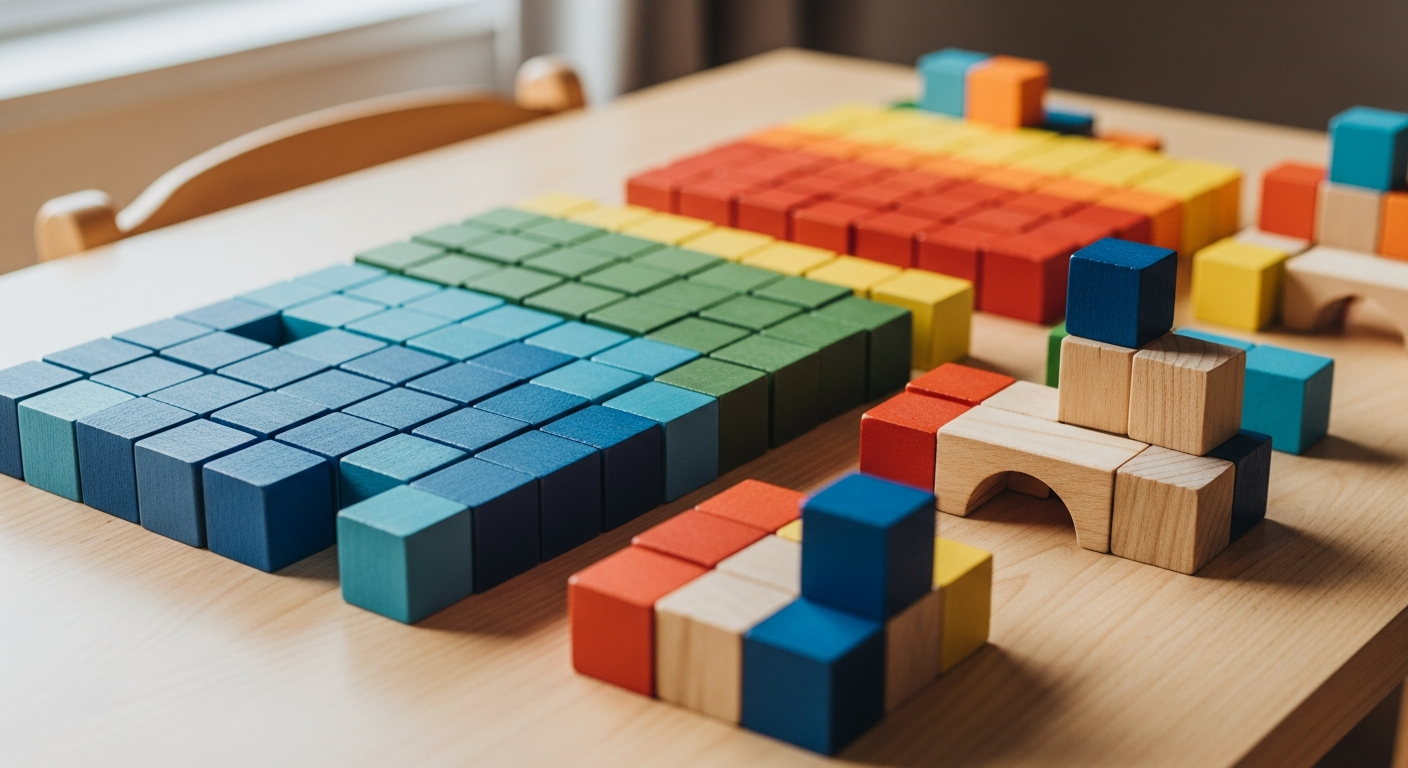
Spelling feels random until you see the meaning chunks inside words. That is morphology: the study of how words are built from smaller parts that carry meaning. Australian classrooms use morphology alongside phonics so children do not only sound words out letter by letter - they also notice un-, -ed, -ful, and base words that stay steady across a family (help, helpful, helpless, helper).
Morphology is the calm middle path between "just sound it out" and "memorise every word". This guide keeps the language plain, stays non-medical, and links the skills that come first: phonemic awareness, phonics, tricky / heart words, and decodable readers.
What is a morpheme? (parent language)
A morpheme is the smallest chunk of a word that still has meaning.
- Cat is one morpheme (the animal).
- Cats is two: cat + s (more than one).
- Unhappy is two: un- (not) + happy.
- Replay is two: re- (again) + play.
- Helpful is two: help + -ful (full of).
You do not need the linguistic label at the kitchen table. Ask: "Which bit means something on its own?" That question is morphology.
Base word (sometimes called a root in school talk) is the core meaning piece you can stand on: help, play, friend, move. Prefixes attach at the front (un-, re-, dis-, pre-). Suffixes attach at the end (-s, -ed, -ing, -er, -ly, -ful, -less, -tion).
English spelling often looks wild because it preserves meaning as well as sound. Sign keeps the g because of signal and signature. Heal and health share a family even when the vowel sound shifts. Morphology explains those "why is that letter there?" moments better than pure sounding-out alone.
Morphology is not a substitute for phonics
Start with ears and letter–sound matches. Children who cannot hear sounds in words (phonemic awareness) or map letters to sounds (phonics explained) will struggle to use prefixes and suffixes as spelling tools.
A useful order at home:
- Hear and play with sounds (oral)
- Link sounds to letters (phonics) with decodable practice
- Learn a small bank of tricky / heart words that need an extra look
- Notice meaning chunks (morphology) as words get longer
Morphology does not replace phonics. It rides on top of it. When a child meets unhelpful, they still need to decode letter patterns - and they get a boost if they already know un-, help, and -ful.
Why Australian schools talk about word parts
The Australian Curriculum: English builds spelling knowledge across years: sound–letter relationships early, then increasingly deliberate attention to prefixes, suffixes, and base words as vocabulary grows. Many schools use programs or Literacy Hub-style progressions that introduce common affixes once children can read simple connected text.
In parent language: Prep–Year 1 lean on sounds and short-word spelling. From about Year 2–3, teachers expect children to spot re- in rewrite, -ed as past tense (even when it sounds like /t/ in jumped), and base words inside longer words. By middle primary, morphology supports both spelling and vocabulary - knowing pre- ("before") helps preview and prepare feel related.
Exact timing varies. Ask: "Which prefixes and suffixes are you teaching this term?" Matching school language beats a parallel system at home.
Common chunks worth knowing early
You do not need a giant list. A short, over-learnt bank beats a poster nobody uses.
High-value prefixes (meaning in brackets):
- un- (not) - unhappy, unfair
- re- (again) - replay, reread
- dis- (not / opposite) - dislike, disappear
- pre- (before) - preview, preschool
- mis- (wrongly) - misread, mismatch
High-value suffixes:
- -s / -es (plural or "he/she does") - cats, boxes, runs
- -ed (past) - played, jumped, wanted (three common sounds: /d/, /t/, /əd/)
- -ing (ongoing) - running, helping
- -er (person who / more) - helper, taller
- -ly (how) - slowly, kindly
- -ful (full of) - careful, hopeful
- -less (without) - careless, hopeless
Base-word families to notice aloud: help / helping / helped / helper / helpful / helpless; play / replay / playful / playground; friend / friendly / friendship.
When spelling jumped, celebrate both layers: the base jump (sounds you can map) and the ending -ed (meaning: past). That double look is morphology plus phonics working together.
Spelling rules that are really morphology habits
Parents often meet "drop the e", "double the consonant", or "change y to i" as mysterious rules. Morphology helps them feel less arbitrary:
- Hope + -ing → hoping (drop silent e before a vowel suffix - still talking about hope)
- Run + -ing → running (double consonant after a short vowel in many words - school will teach the pattern)
- Happy + -ness → happiness (y → i before some suffixes)
You do not have to teach every rule from a textbook. When homework uses one, ask: "What is the base word? What did we add? Did any letters change to make the join smoother?" That is enough for most kitchen-table coaching.
Also watch for homophones (their / there / they're) - meaning and sentence job matter more than sound. Morphology shrinks the "random" pile; it does not erase every oddity.
Home games that build word-part eyes
Keep sessions short (5–10 minutes). Stop while it is still friendly.
- Word Lego - write help on a sticky note. Add un-, -ful, -er, -ing on other notes. Build and rebuild; say each new meaning aloud.
- Prefix hunt in a shared book or cereal box - find three un- or re- words; guess the meaning from the chunk before sounding the whole word carefully.
- Same family? - show sign / signal / signature or heal / health / healthy. Ask what stays the same in spelling even if the sound shifts a little.
- Past-tense listen - say play / jump / want; child adds -ed and notices whether the ending sounds like /d/, /t/, or /əd/. Meaning stays "already happened".
- Base-word challenge - give careless; child finds care and -less, then invents one more word with care (careful, caring).
Pair this with continued phonics practice and decodable readers for words that are still mostly sound-out. Morphology is a spotlight, not a replacement torch.
Fluency (reading fluency explained) grows when decoding and word recognition are smoother - morphology helps longer words feel less like a wall of letters.
Year by year: what "going fine" can look like
Timelines vary - multilingual homes and school sequences all matter. Soft sketch only, not a test.
- Late Prep / Year 1: sounds and simple spellings; plural -s and past -ed may appear in class talk. See Prep reading and the Year 1 Phonics Check.
- Year 2–3: more deliberate prefixes/suffixes; base words inside longer words; meaning helping spellings (two vs too still needs sentence sense).
- Year 4+: richer morphology for academic words (transport, predict, -tion) while phonics stays in the toolkit for unfamiliar words.
If spelling looks shaky, check foundations first (sounds, letter–sound matches, connected reading) before buying morphology workbooks.
When spelling stays hard (careful, non-medical)
Persistent difficulty with spelling - even after systematic phonics teaching and time - is worth a calm conversation with the teacher. Share concrete examples: "-ed endings are missing", "short vowels swap", "longer words fall apart after the first syllable". That helps more than a vague "spelling is weak".
Use Is my child behind in reading? and how to help a struggling reader for broader next steps with school. Hearing and vision checks are ordinary; classroom observation and targeted support are ordinary too.
This guide does not diagnose dyslexia, language disorders, or any medical or learning condition. Only schools and qualified specialists make those assessments. Morphology tips are general parent strategies - they are not a treatment plan and they do not replace professional advice.
FAQ
Is morphology the same as phonics?
No. Phonics links sounds to letters. Morphology links meaning chunks (prefixes, base words, suffixes) to how words are built and spelled. Children need both.
Should we teach prefixes before my child can read CVC words?
Usually no. Secure early decoding and phonemic awareness first. Introduce meaning chunks when your child meets longer words in school or when the teacher starts that strand.
My child spells jumpt instead of jumped. What now?
Praise the base jump - the sounds are mostly there. Teach -ed as the past-tense chunk (it can sound like /t/). That is morphology meeting phonics, not a character flaw.
Do we still need tricky / heart words?
Yes. Some high-frequency words have awkward bits that need an extra look (tricky words explained). Morphology does not erase every irregular spelling.
Will morphology fix every spelling mistake?
No. English has history and oddities. Morphology shrinks confusion for many words and grows vocabulary - a powerful tool, not a magic eraser.
A calm next step
Spelling improves with clear phonics, plenty of reading, and gradual attention to meaning chunks - not with panic or endless word lists. If you also want a low-pressure look at early reading skills at home, Ziado's free check is a one-off, roughly 10-minute adaptive diagnostic with partial results only - no account and no card. The full placement unlocks after signup. It is not a morphology quiz, not a dyslexia screen, and not a school assessment. Explore Ziado reading afterward if you want adaptive practice through sounds and early connected reading. Individual and Family plans, if you continue later, start with a 14-day free trial of the full app — see pricing for current plans.
Digraphs (sh/ch/th/ng) are sound spellings, not meaning chunks — see digraphs explained for parents before morphology.
Morphology builds on syllable chunks — see syllables explained for parents.
Curious which reading skills need practice?
Ziado's free check is a one-off, roughly 10-minute adaptive diagnostic with partial results only - no account, no card. It is not a spelling or morphology quiz, and not a dyslexia screen.
Start the free reading check